


When Business Pauses: Why Contingency Planning Is Really About People
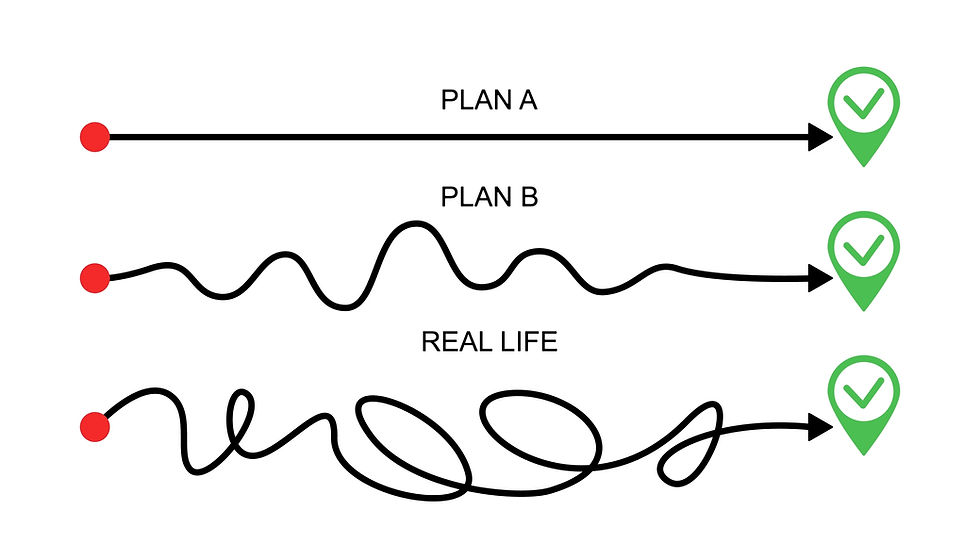
Sometimes business slows because of strategy. And sometimes it slows because of weather, health, or life—none of which ask for permission.
A storm rolls through. Power goes out. Your body says “not today.” Last week, I was under the weather, and it made me wonder about a few things:
In those moments when things aren't right, growth plans don’t matter. What matters is whether your business can hold itself together without you for a few days. That’s contingency planning.
Real Contingency Planning Isn’t a Document
It’s capacity.
Most small businesses don’t stop because systems fail. They stop because the owner is the system. When everything runs through one person—one inbox, one calendar, one brain—any interruption becomes a full stop.
That’s not poor planning. It’s just unsustainable.
The Quiet Risk of Doing It All Yourself
Many business owners can keep everything moving—until they can’t.
Weather disruptions, family needs, and health issues don’t announce themselves in advance. They just arrive. And when they do, the cost isn’t only lost time—it’s delayed communication, missed follow-ups, and unnecessary stress.
That’s where contingency planning stops being theoretical and becomes personal.
Fractional Support Is Built for Moments Like This
Fractional employees, like virtual assistants, aren’t about scaling faster. They’re about staying steady.
They provide continuity when you need to step back:
Monitoring inboxes
Communicating delays or updates
Rescheduling appointments
Keeping admin and billing moving
Holding the operational floor while you recover
You’re not outsourcing leadership. You’re sharing load.
The Goal Isn’t “Business as Usual”
It’s resilience.
Contingency planning doesn’t mean preparing for worst-case scenarios every day. It means acknowledging that pauses will happen—and designing your business so those pauses don’t become crises.
Fractional support gives you flexibility without overcommitting. It allows your business to bend instead of break.
A Simple Check-In
If you had to step away unexpectedly for a week, what would still function?
If the answer is “very little,” that’s not a judgment. It’s information. And it’s an invitation to build support before you’re forced to.
Strong businesses aren’t built by people who never stop. They’re built by people who planned for when they need to.


Comments